Schließen wir das Jahr mit ein paar Gedanken dazu, wie uns ein Garten beziehungsweise die Beschäftigung mit Pflanzen mental gesund halten, wie so oft kann ich hierzu einen passenden Text der Philosophie-Plattform meines Vertrauens empfehlen.
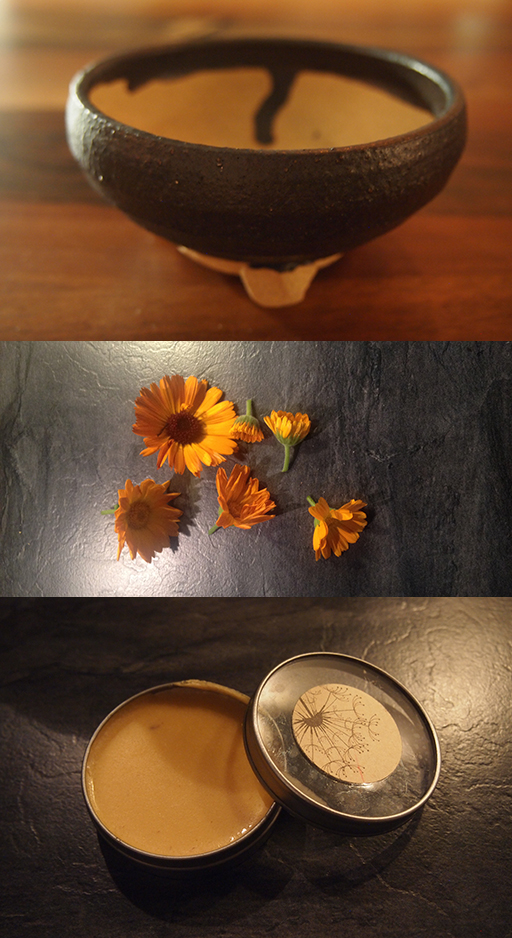
Which seedlings might the tiny pot from Kyoto nurture in 2020? Bonsai-calendula? 😉
Die letzten Neuköllner Ringelblumen des Jahres sind jedenfalls geerntet und haben sich zur mittlerweile legendären Dr.Petersch Calendula-Salbe verwandelt (diesmal mit einem Quäntchen Schachtelhalm).
Ich wünsche allen ein fröhliches “Herumtopferln” 2020!
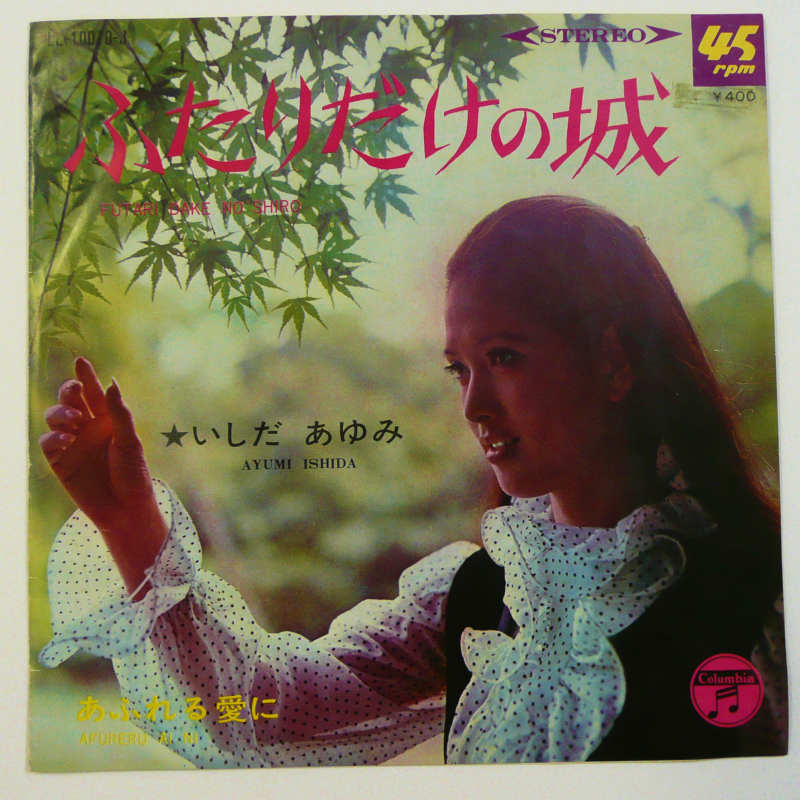
Lots of wabi-sabi-esque situations awaited during this recent, second visit to the land of the rising sun. Tokyo and above all Kyoto presented themselves in full fall foliage splendour, for example at the beautiful oasis which the garden of Nezu Museum in Tokyo is, the Murin-an garden or the “Moss Temple” Saihoji Kokedera in Kyoto. Difficult to choose between the many impressions of gingko, maple and camelia leaves among fluffy pine trees, but here are a few:
So. Many. Leaves!
Bashō would now come up with a 17-syllable poem (“Haiku”), but I’ll rather conclude with Ayumi, since she’s already reaching out for the maple leaves …
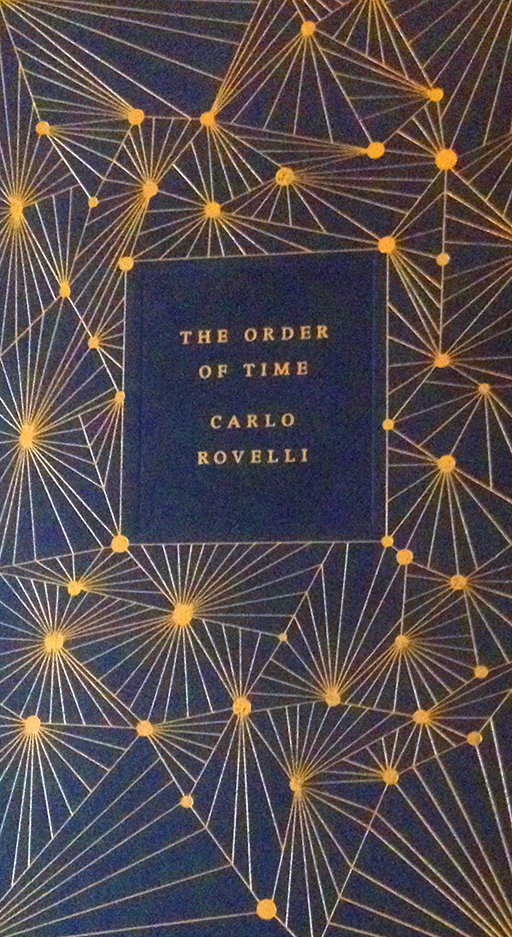
Eine heiße Leseempfehlung für alle, die sich Gedanken über die Zeit machen und sich nicht vor Physik fürchten: “The Order of Time” vom italienischen theoretischen Physiker Carlo Rovelli. Das Buch ist allerdings explizit auch für LeserInnen ohne großartige Physikkenntnisse geschrieben und enthält nur eine einzige Formel. Nämlich die einzige in der gesamten Physik bis dato, die der Zeit eine Richtung gibt. Dem Rest der Physik ist sozusagen Vergangenheit, Gegenwart und Zukunft wurscht! Auf sehr klare und verständliche Weise führt uns Carlo dann zu dem Schluss, dass womöglich “Zeit” gar keine fundamentale, also zur Minimalbeschreibung des Universums notwendige Größe ist, sondern vielmehr ein Resultat unseres Unvermögens die Gesamtheit der quantenmechanischen Vorgänge wahrzunehmen, welches uns dazu bewegt makroskopische Hilfsgrößen (z.B. die Entropie, um die’s in besagter Formel geht) zur Beschreibung der “Realität” heranzuziehen, welche dadurch aber im Endeffekt nur eine weichgezeichnete Realität ist. Boltzmann habe das bereits verstanden, so Rovelli. Mit anderen Worten: Zeit so wie wir sie beschreiben als alltägliche Erfahrung mag zwar für uns “real” sein, für’s Universum (das im Übrigen eine Scheißgegend ist!) ist Zeit aber vermutliche eher soetwas wie eine Katze, nämlich kein fundamentaler Baustein, sondern etwas das “emerged”, also hervorgehen kann aus dem Basisuniversum.
Man muss sich für die Lektüre etwas Zeit nehmen, aber sie ist gut investiert!
Taking us on a journey to deconstruct time: Carlo Rovelli.
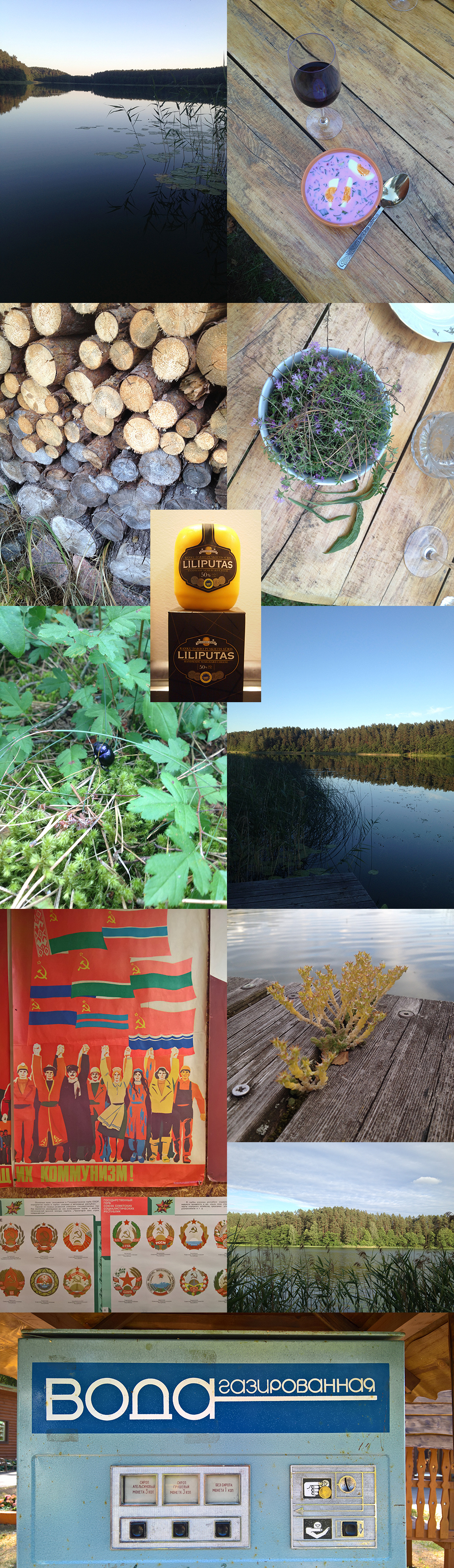
We recently had the privilege to be hosted by Lithuanian friends of ours for some fabulous days of baltic midsummer: collecting berries and wild thyme in the forest, swimming in the lake, wine, bbq and redbeet soup, Liliputas cheese, no sounds except for birds, dragonflies and the occasional fish jumping … and a bit of history lessons at Gruto Parkas.
After a summer that didn’t only mean moving to a new home, but also trying to cope with the utterly unsensual summer temperatures, it is now time to cool down and dedicate our time to the sensual seasons of fall and winter, … hurray!
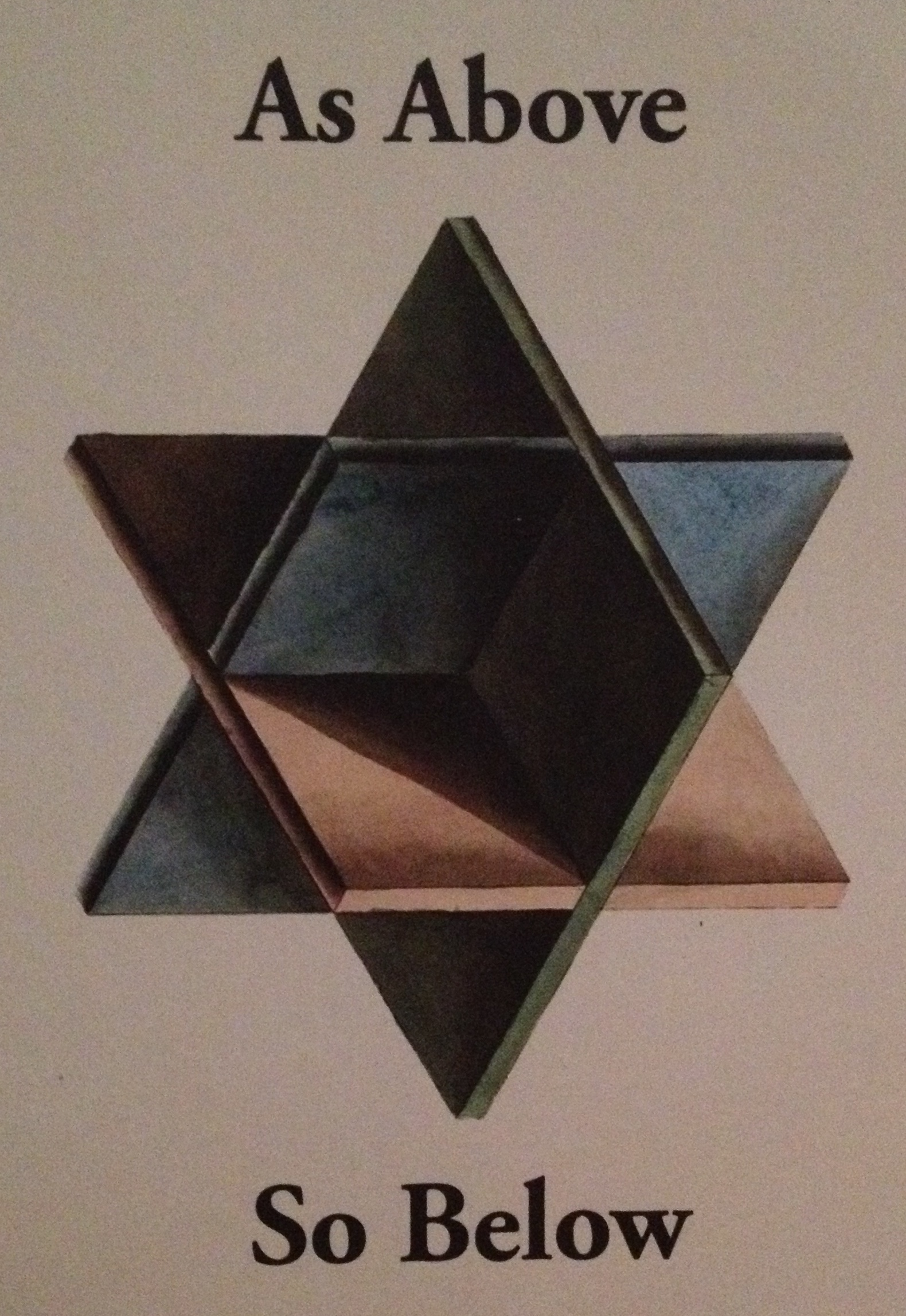
A good strategy in this respect is to follow what’s new in our dear friend Juan‘s art- and mind-world, for example by listening to what he told us about the pieces of his latest exhibition As Above So Below at Hilbertraum, Berlin.
It is always lovely to listen to him speak about his work, life, the universe & everything, which he does in a serene yet joyful way that leaves the spectator or listener with the feeling that someone takes the well thought-through subject-matter of their art serious, without appearing in the slightest way arrogant or omniscient – life is a game! The ancient dilemma that we cannot understand ourselves without understanding the universe and cannot understand the universe without understanding ourselves was at the heart of his talk, in which he drew most interesting parallels between concepts like history, solipsism, incompleteness, language, the babylonian origins of art/science and many more which I probably missed.
The skull is a symbol of life, not of death, I like this very much. Thanks Juan for an enlightening hour on a nicely-cool November afternoon!
Lets delve into the hidden layers of his-story, the Ge-schichten, on our quest to search for the hidden meta-language!